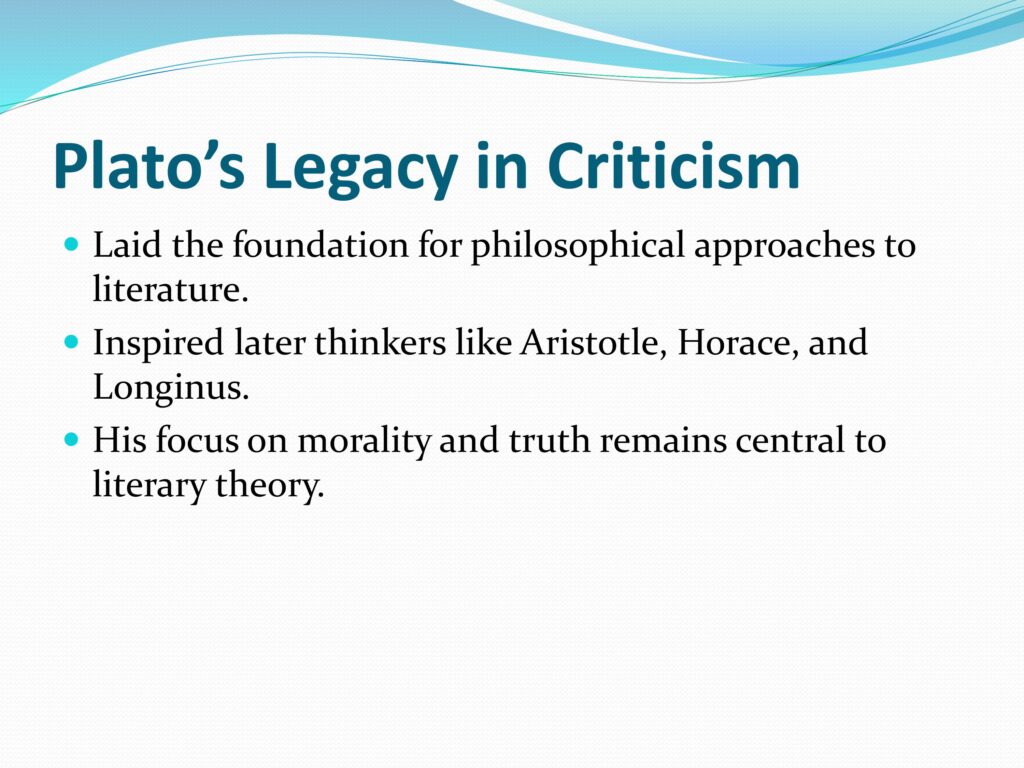
Plato’s Contribution to Literary Criticism.
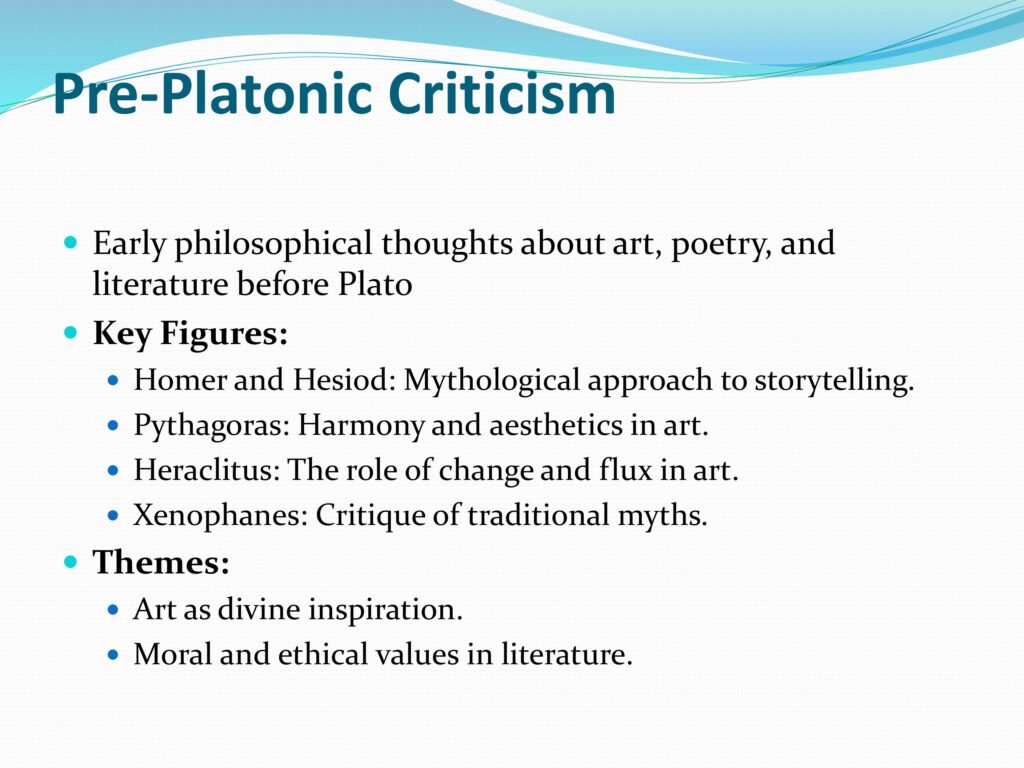
Before literary criticism became an academic discipline, it began as a philosophical inquiry — a quest to understand art, poetry, and the nature of imitation. The roots of Western literary criticism lie deep within ancient Greece, where thinkers like Homer, Hesiod, and the early Sophists laid the groundwork through their reflections on poetry, morality, and truth.
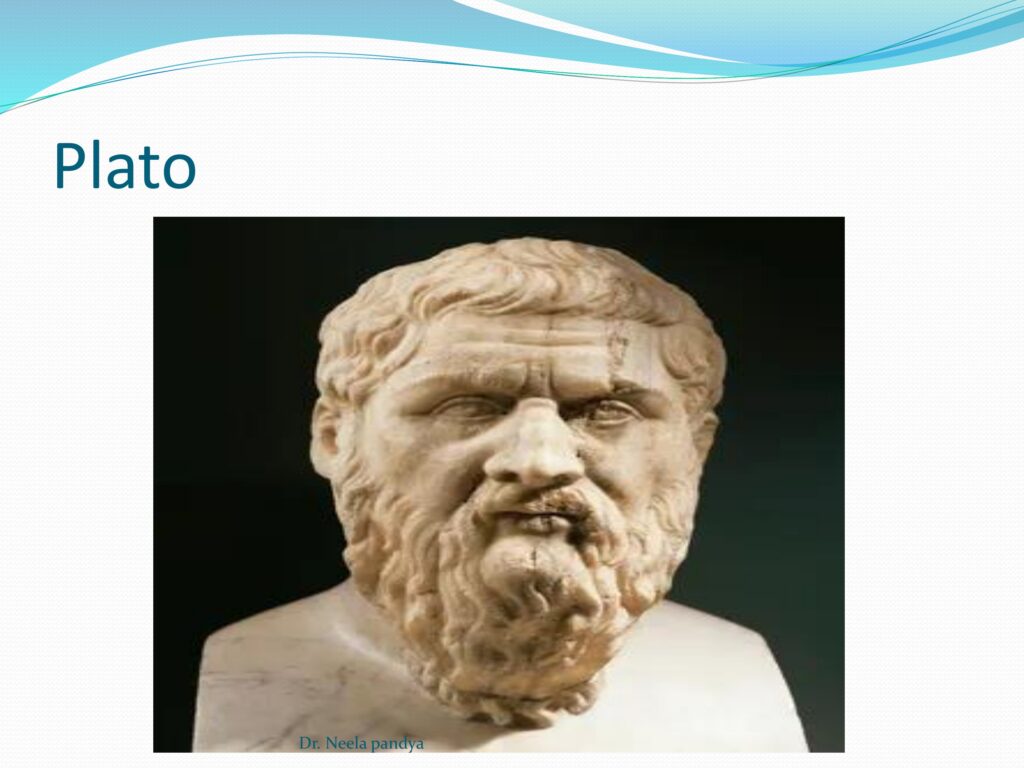
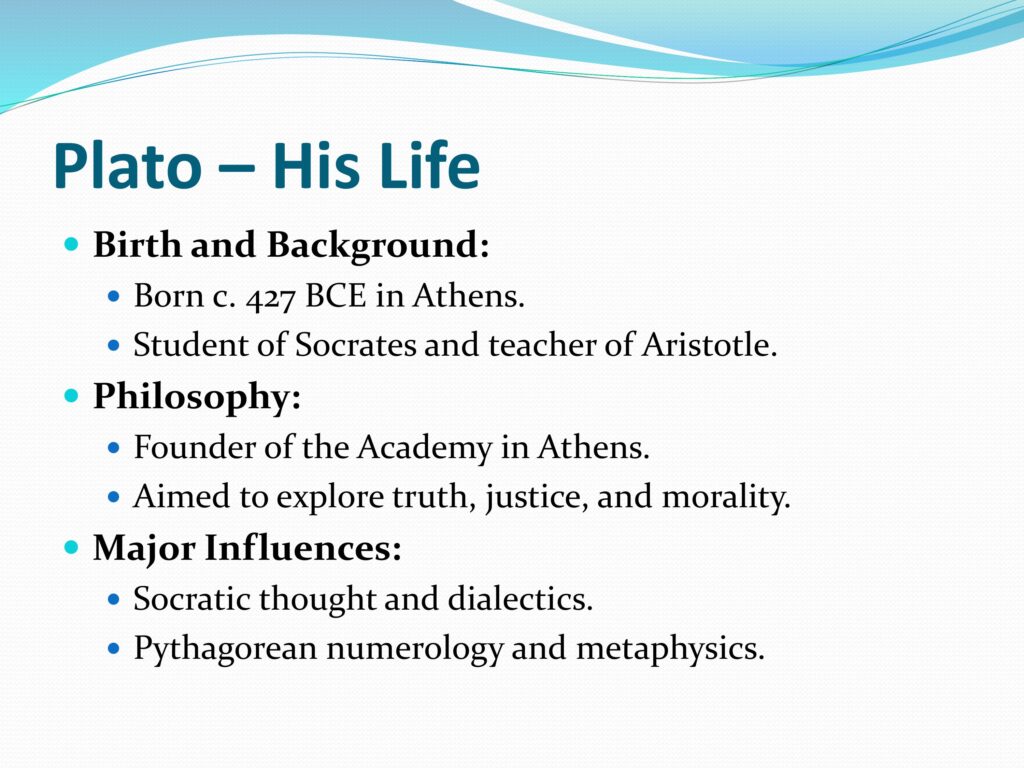
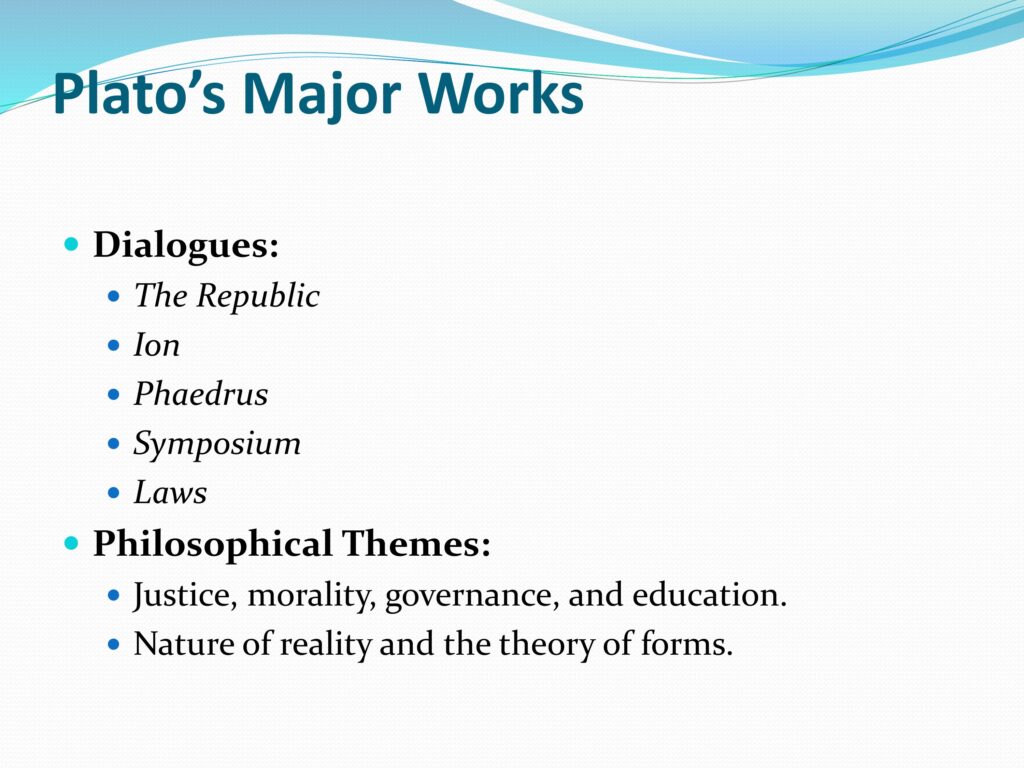
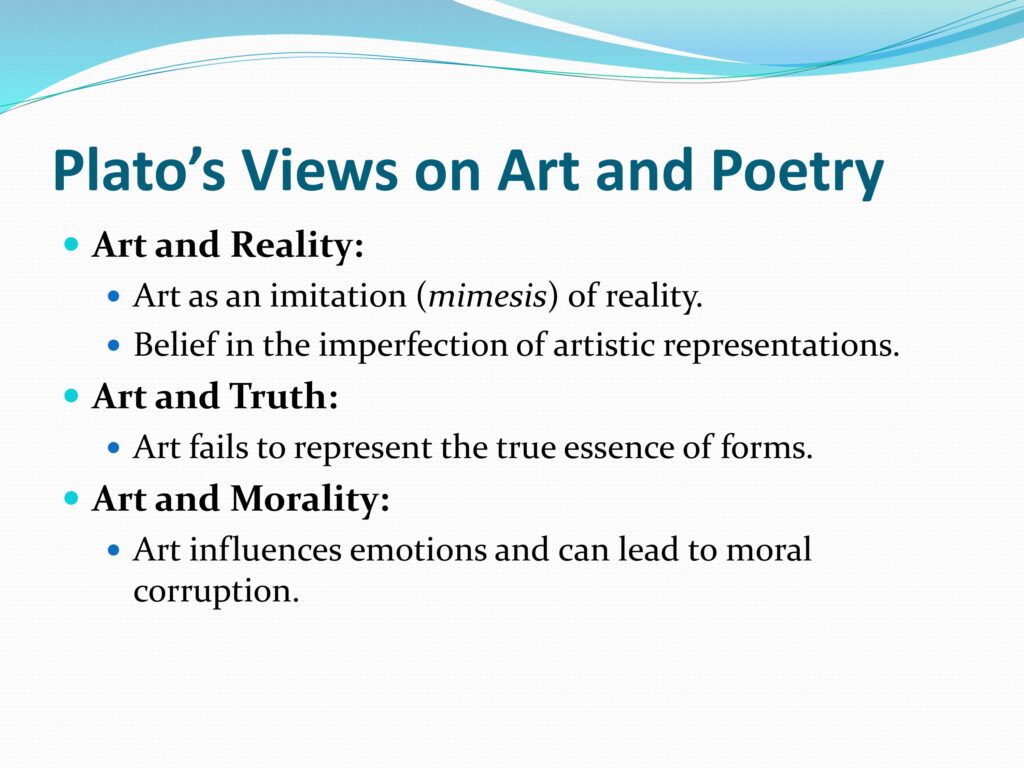
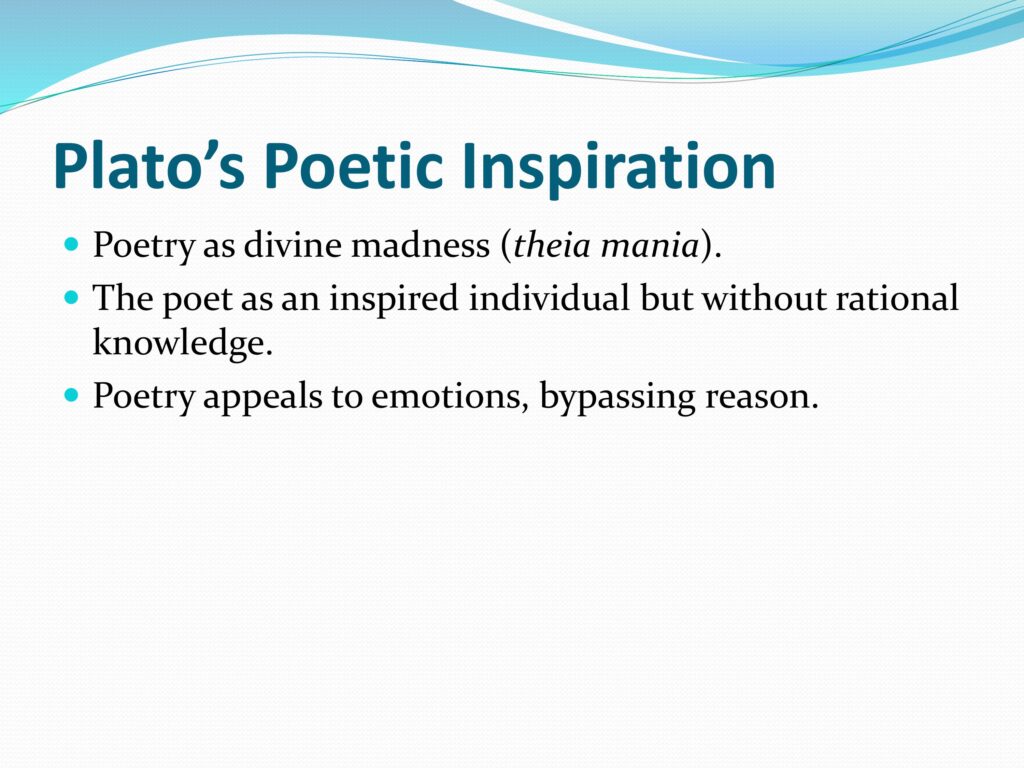
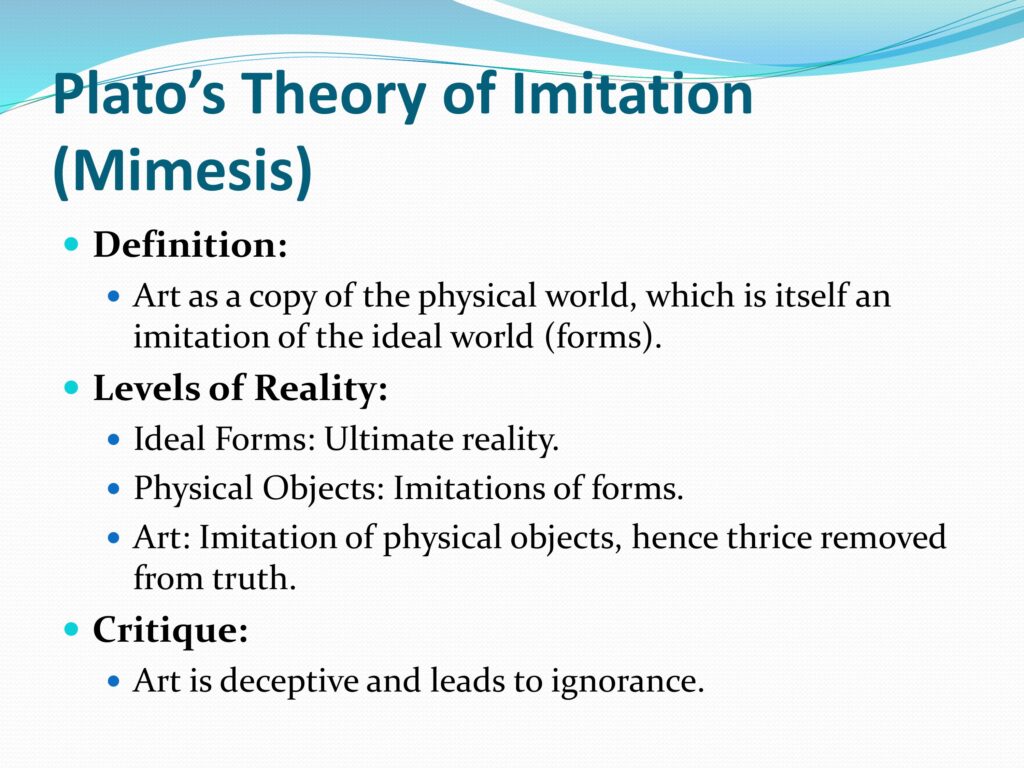
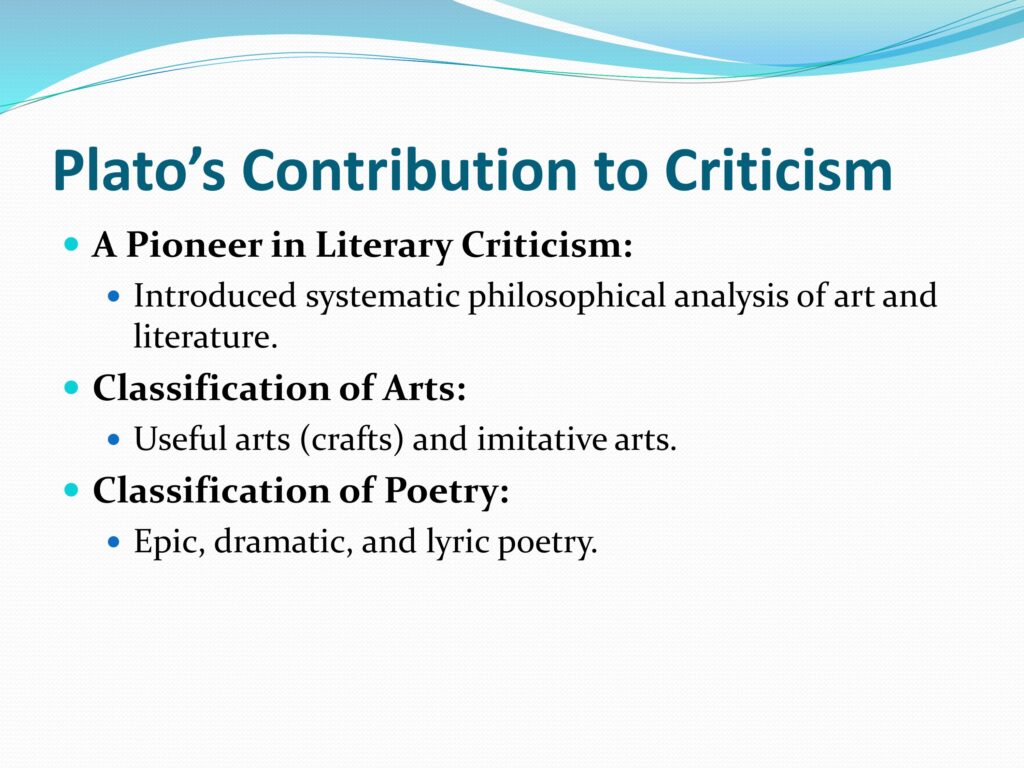
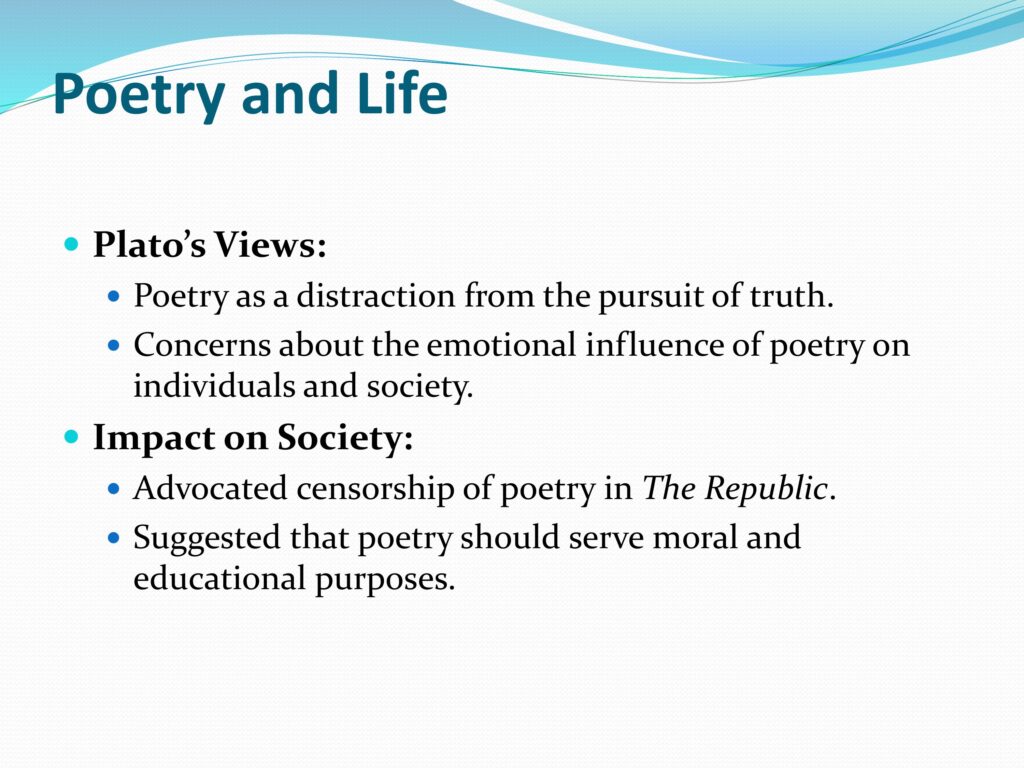
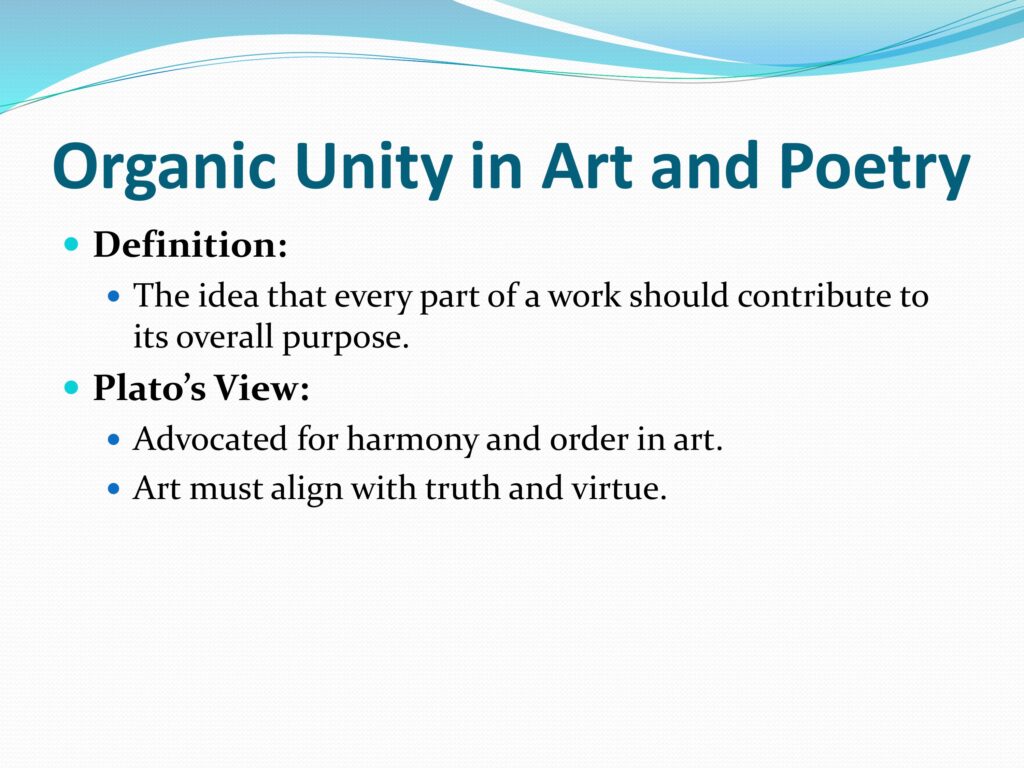
Among them, Plato stands as the first systematic literary critic, transforming scattered opinions into a coherent theory. His dialogues — especially Ion, Republic, and Phaedrus — not only questioned the moral and intellectual value of poetry but also established enduring debates about mimesis (imitation), artistic inspiration, and the purpose of literature in society.
This presentation explores:
- The origins of literary thought before Plato (Pre-Platonic Criticism)
- Plato’s key ideas and arguments about art and poetry
- His lasting influence on the evolution of literary theory